I’ve always liked the idea of a fast telephoto zoom. It’s the sort of lens I could use for portraits, a bit of wildlife photography or an event. In practice, the ones I’ve used have often felt too big to bring along unless I know I’ll need them. Fujifilm’s excellent XF50–140mm f/2.8 is a good example: I enjoyed using it, including for wedding work, but I was always aware of its size and weight.
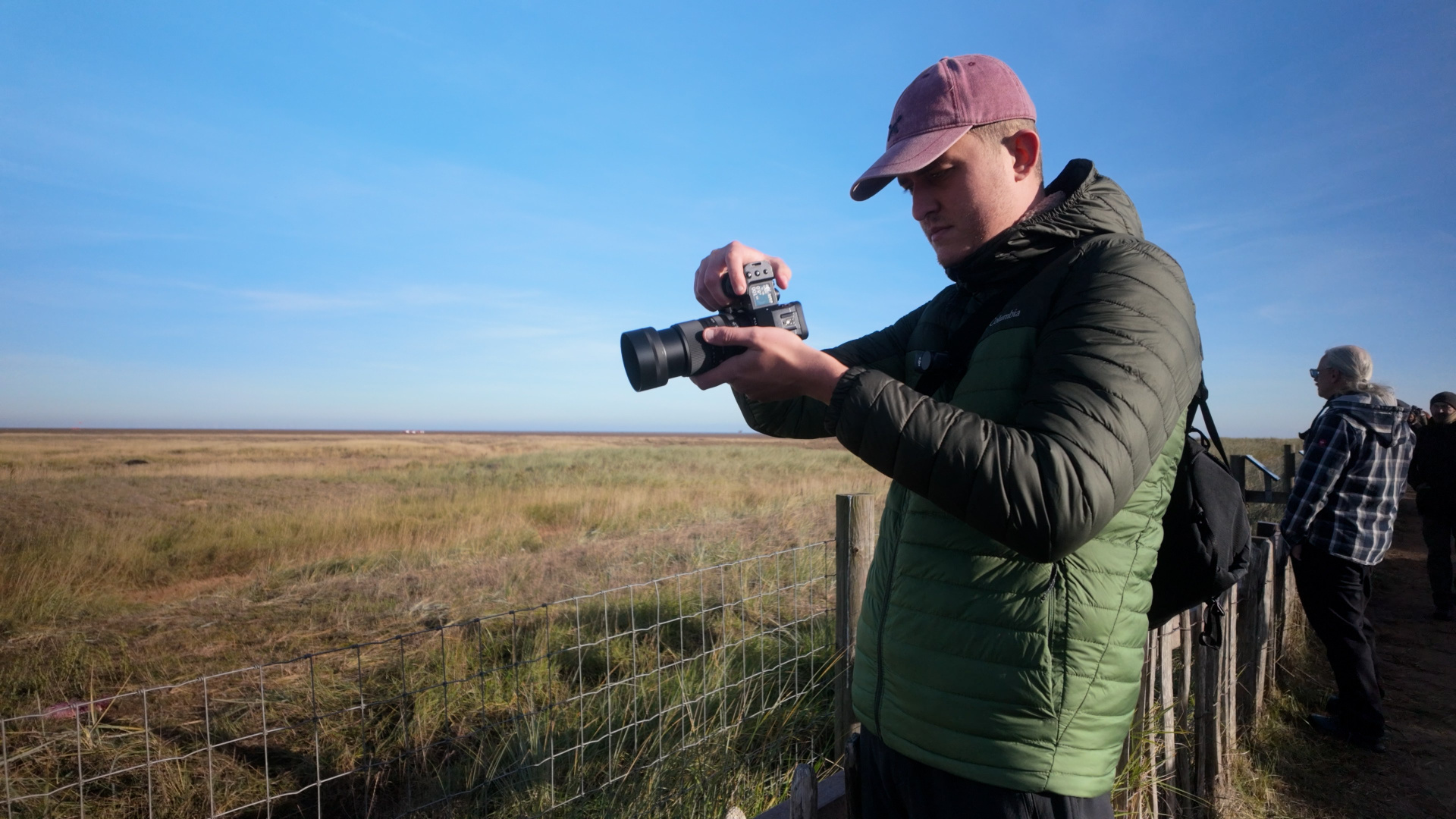
That’s what made Sigma’s 50–120mm f/2.8 DC OS Contemporary interesting to me. Sigma sent me the Fujifilm X-mount version to try, and I took it to Donna Nook in Lincolnshire to photograph the seals with my X-H2S.
A telephoto that’s easy to bring along
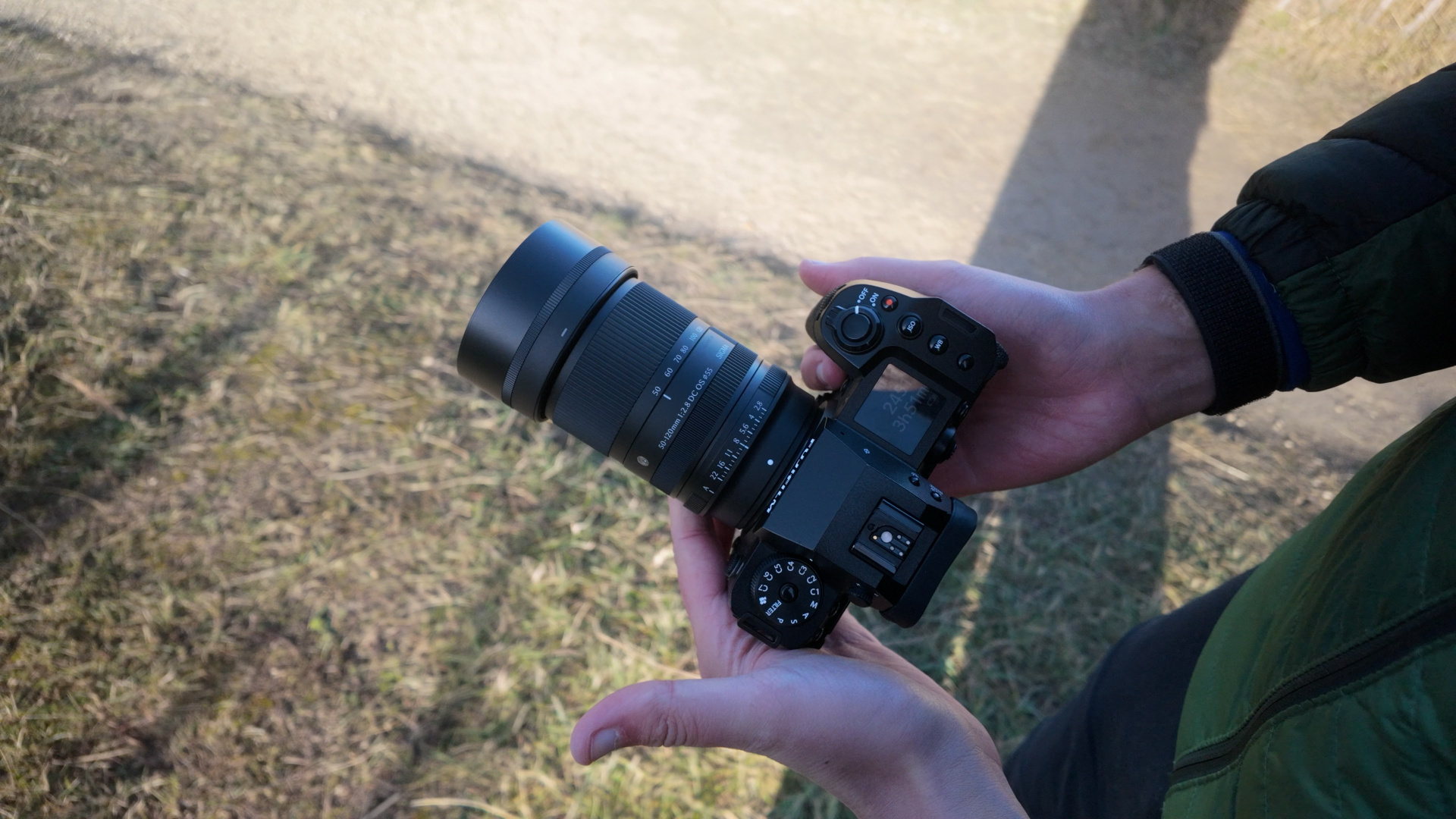
The headline feature isn’t simply that the lens is small. It’s that its size changes whether I’d take it out in the first place. The Fujifilm X-mount version weighs 390g; Fujifilm lists its XF50–140mm f/2.8 at 995g. They aren’t identical lenses—the Fujifilm reaches 20mm further at the long end—but that is a substantial difference to feel in a camera bag.
I don’t generally enjoy carrying several lenses for a casual day of photography. The Sigma is compact enough that I could see myself adding it to my kit without having to plan the whole day around a telephoto zoom. A lens can be technically brilliant, but it’s not doing much for me if I keep leaving it at home.
Taking it to Donna Nook
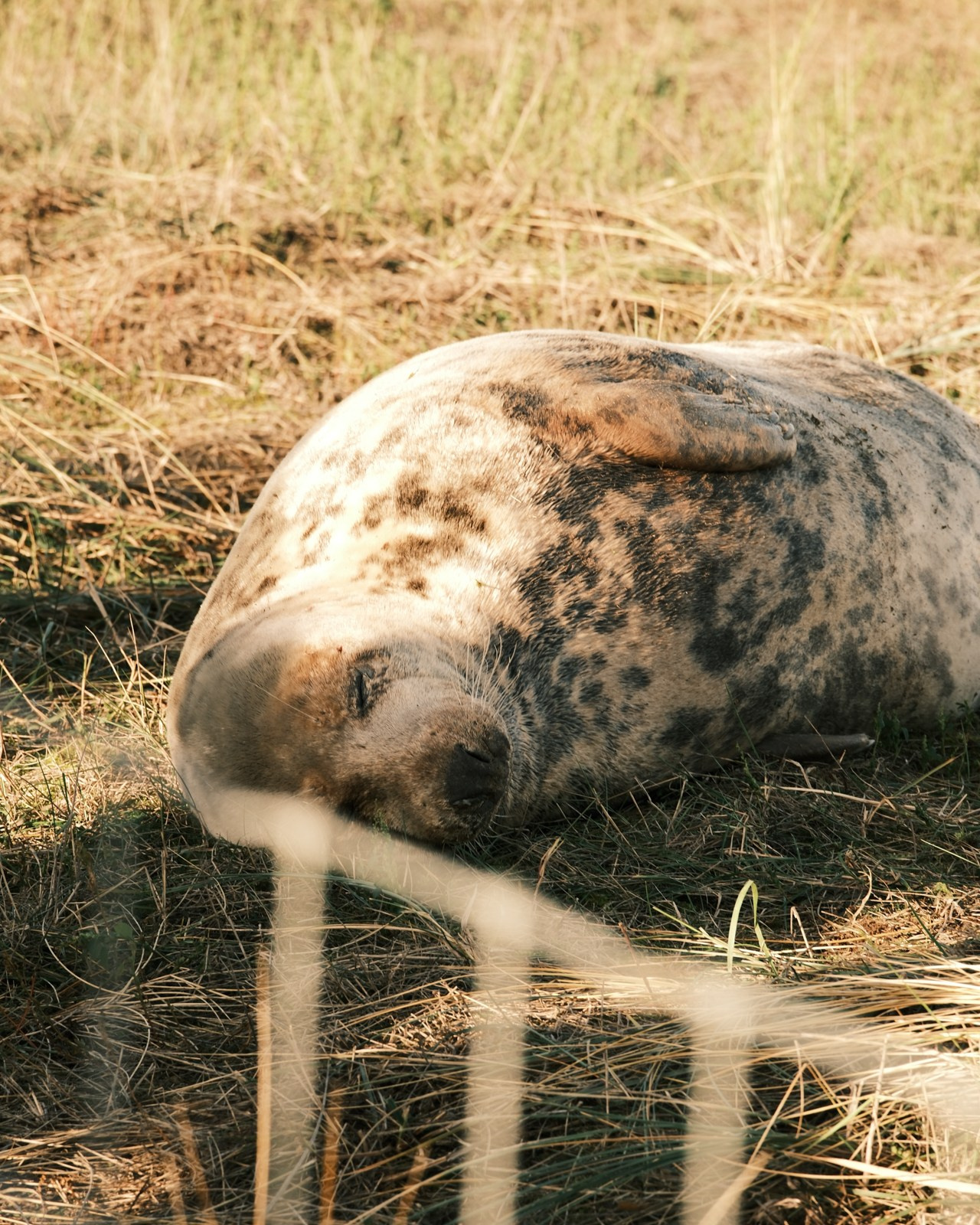
Donna Nook gave me a good opportunity to use the 50–120mm range. Photographing the seals from the viewing area calls for more reach than an everyday standard zoom, and I enjoyed being able to walk around with just the camera and lens in my hands.
The results left me genuinely pleased with the image quality. I also shot a few short handheld video clips to see how the lens felt for casual footage, though I haven’t tested it on a demanding professional video job. For the kind of little moments I might want to capture while out photographing, it made an encouraging first impression.
There is a limit to that reach. At the long end, 120mm on APS-C gives a field of view roughly equivalent to 180mm on full frame. That worked for parts of this outing, but it won’t replace a 300mm or 400mm lens when the subject is much further away. Cropping can tighten a composition, provided the original image has enough resolution, but it doesn’t add optical reach or detail that wasn’t captured.
Handling and the aperture ring
I like the way the Sigma feels. The zoom is smooth, the lens feels solid for its size, and I’m especially pleased to see an aperture ring. I usually shoot in aperture priority, so being able to change aperture on the lens itself makes it more enjoyable for me to use.
The constant f/2.8 aperture is useful too. For portraits, it gives me the option of stronger background separation. For video, I can change focal length without the maximum aperture changing as I zoom. And in lower light, having f/2.8 available throughout the range is welcome, even if I won’t use it wide open for every photograph.
Would I buy it?
There are two questions I’d ask before buying it. First, do you actually want a lens that starts at 50mm? It’s too tight to be my only everyday lens. Second, is 120mm enough reach for the subjects you photograph? If distant wildlife is your main interest, it may not be.
And if you already own Fujifilm’s 50–140mm and enjoy carrying it, I wouldn’t change lenses just because the Sigma is smaller. I haven’t done a controlled optical comparison between them. My reason for choosing the Sigma would be much more personal: I can picture myself taking it out more often.
That’s the strongest compliment I can give it. After using the 50–120mm at Donna Nook, it’s a lens I’d genuinely like to have in my own bag.
Sigma supplied the lens for this review. These are my own impressions from using it.




Crete Through My Fujifilm X-H2S: A Family Holiday Photo Diary

Gran Canaria with the X100VI: Photo Diary

Why Places Like Belton House Are Actually Great for Photography
Can the Fujifilm X100VI Handle the Great Outdoors?

Are You Carrying Too Much Camera Gear? | Fujifilm X100VI
From Twilight to Night in Martin Moor